

Beyond the Wildlife Encounters: Conservation at Maru Koala and Animal Park
Beyond the Wildlife Encounters: Conservation at Maru Koala and Animal Park
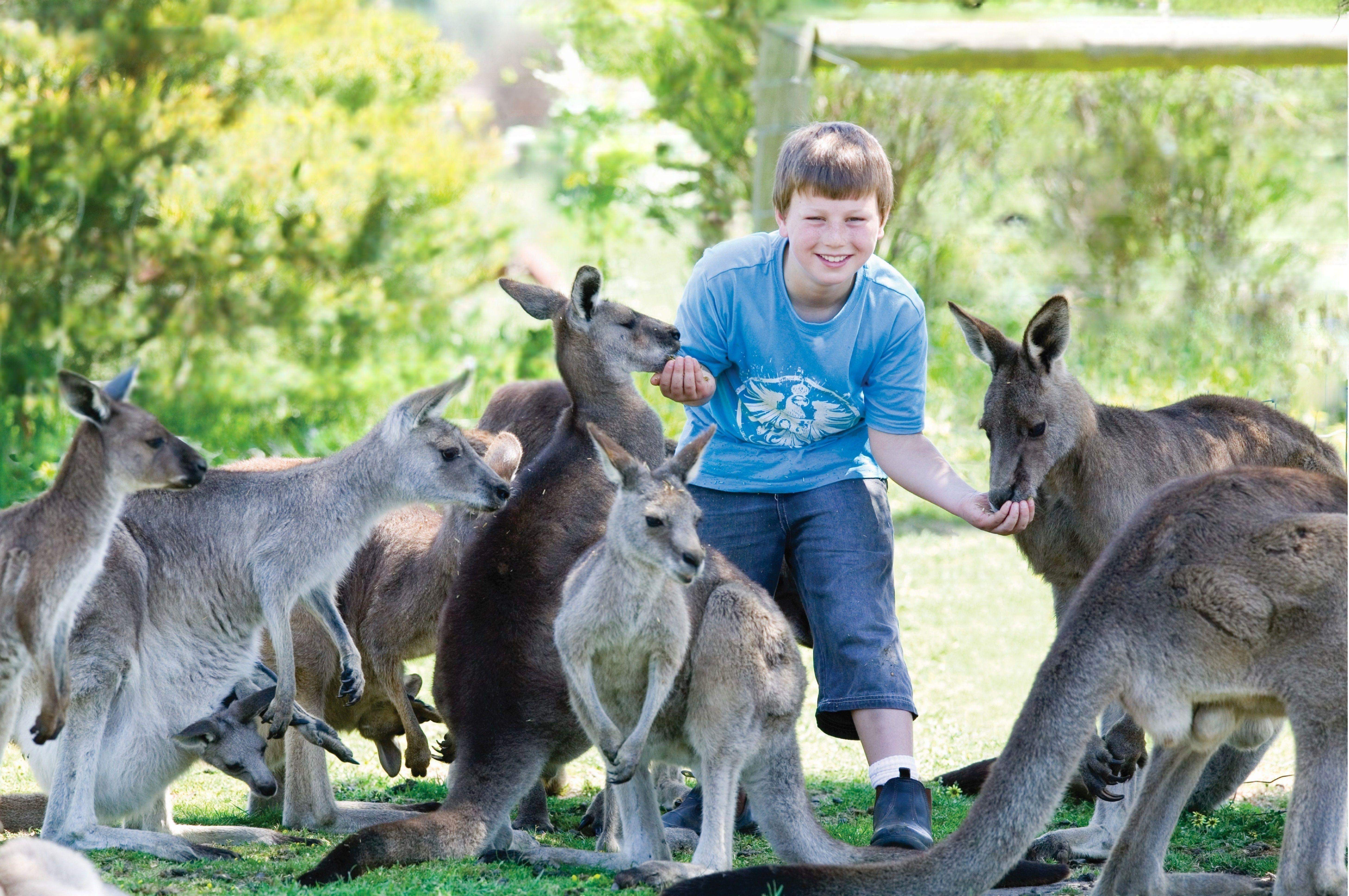
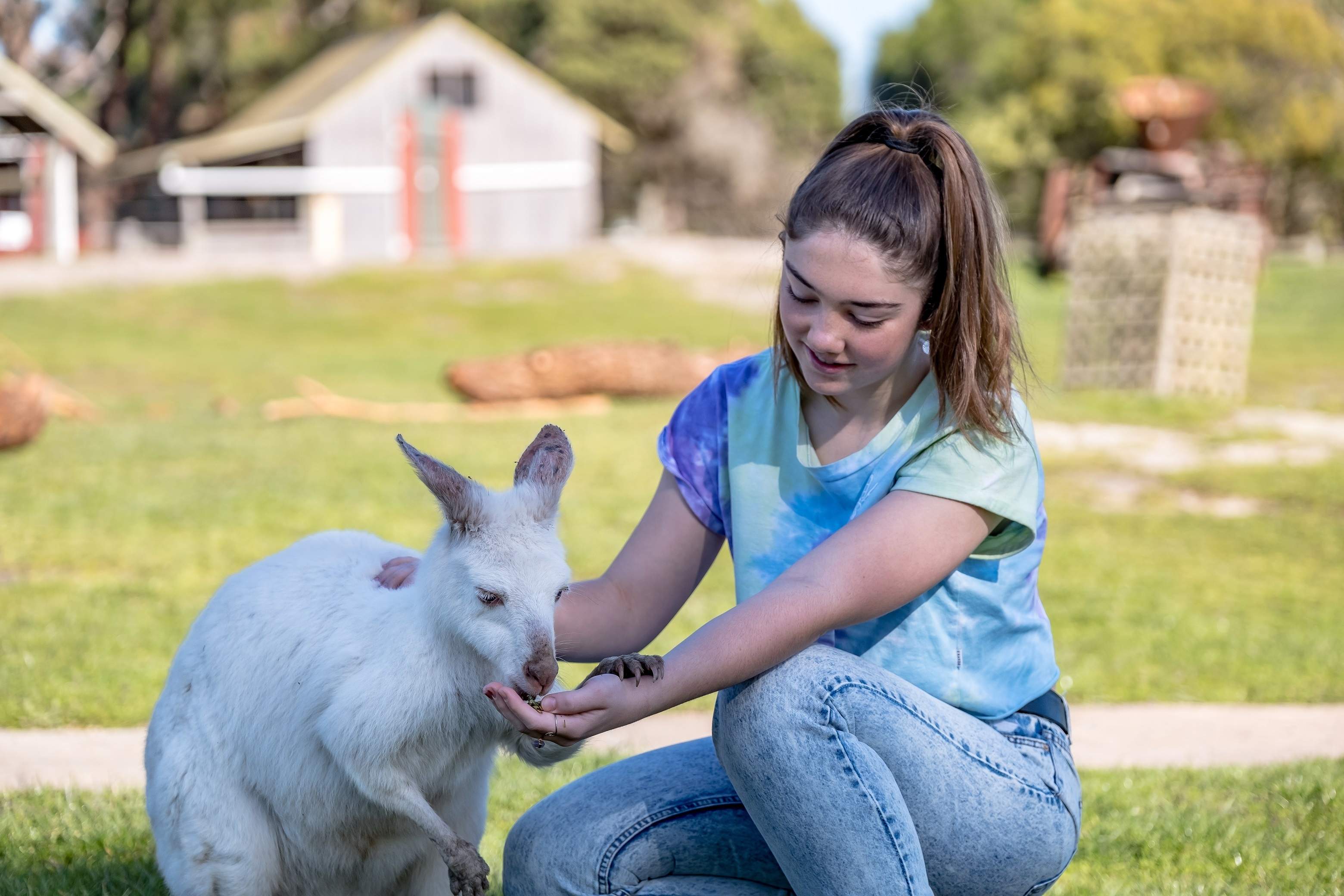
A visit to Maru Koala and Animal Park might begin with a kangaroo eating gently from your hand, spotting a koala among the gum leaves or the unmistakable call of a dingo.
This family-owned park is passionate about fostering an understanding and appreciation of native wildlife and their environment. Beyond the animals you can meet, this mission is found in the quiet work of its wildlife shelter, among newly planted eucalyptus trees and in everyday choices that reduce waste.
For Maru, conservation is part of how the park cares for wildlife, shares their stories and plans for the future.
Wildlife care behind the scenes
Maru operates a standalone authorised wildlife shelter for injured and orphaned native animals.
Wildlife brought into care may have been struck by a vehicle, attacked by a domestic animal or separated from its mother. Registered foster carers provide medical attention, specialised feeding and rehabilitation, sometimes over many months.
The shelter is kept separate from the visitor experience, giving animals a secure place to recover with minimal human contact. Wherever possible, they are released back into the area where they were found, helping them return to familiar habitat, food sources and family groups.
Visitors will not see these animals during their time at Maru. Their journey is not towards life in the park, but back to the wild.
Planting for Maru’s koalas
Koalas rely on selected eucalyptus species for food, making a dependable supply of fresh leaves an important part of their care.
Maru is establishing its own eucalyptus plantation to provide an ongoing, sustainable food source for the koalas at the park. As the trees grow, they will also create additional food and habitat for other wildlife in their care. Visitors can support the project by sponsoring a eucalyptus tree, continbuting to something that will continue to grow and provide benefits long after a visit has ended.
Connecting visitors with conservation
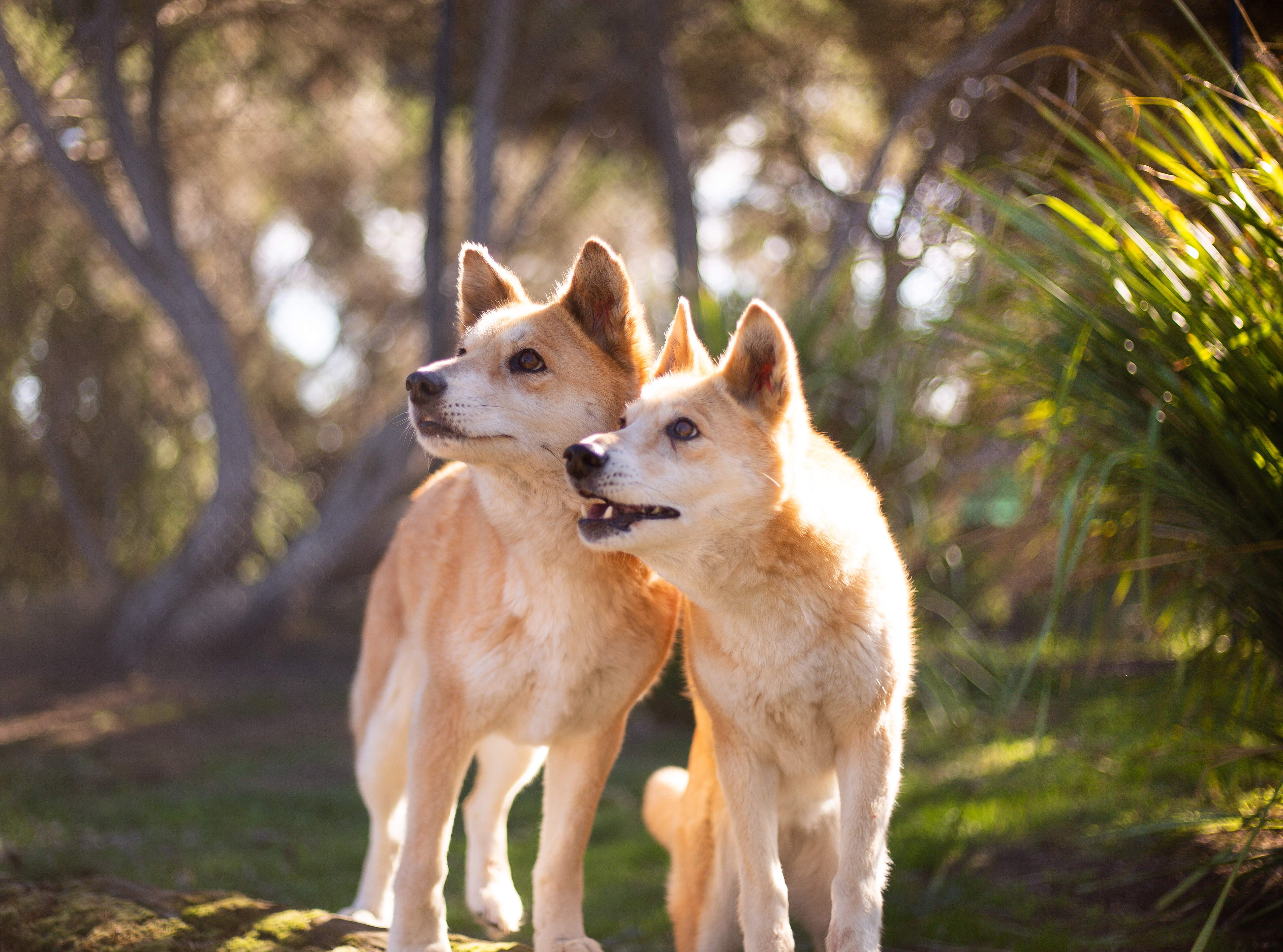
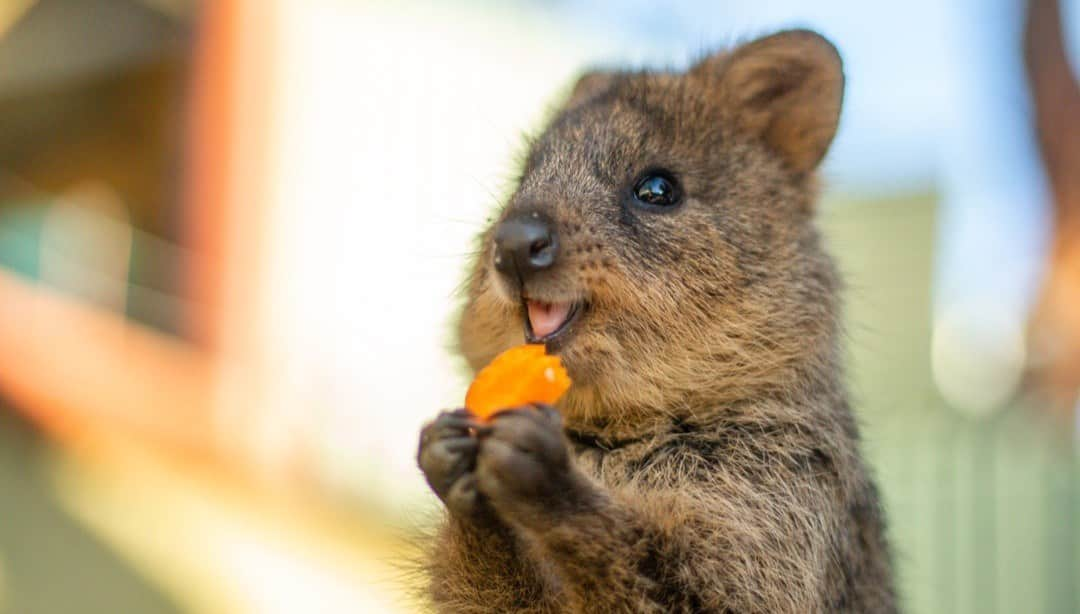
Maru is home to kangaroos, wallabies, wombats, echidnas, quokkas, koalas, Tasmanian devils, dingoes, reptiles, a cassowary and other Australian animals.
Hand-feeding a kangaroo or seeing a koala up close can create a memorable connection, particularly for children and international visitors. Keeper talks and animal experiences build on that moment by sharing information about animal behaviour, conservation status and threats in the wild.
Maru has reviewed the type, method and number of animal experiences it offers, making sure to balance close encounters for the respect and dignity of each animal.
A photo may capture the moment, but the understanding visitors take home can last much longer.
Reducing waste across the park
Conservation also lives in everyday decisions.
The Homestead Bistro has removed single-use plastics from its food and drink service, helping reduce waste across the visitor experience. Maru has also replaced printed park maps with digital maps that guests can access on their phones.
One container or paper map may seem small. Across thousands of visits, these changes begin to add up.
Bowling for Palm Cockatoos
Each year, Maru joins the Australasian Society of Zoo Keeping’s annual bowling fundraiser, supporting conservation work for a selected threatened species.
In 2026, the fundraiser is supporting Palm Cockatoos in the Cape York Peninsula. These remarkable birds rely on old hollow-bearing trees for nesting and reproduce very slowly, leaving them vulnerable to habitat loss and climate change.
Funds raised will support fieldwork by the Palm Cockatoo Project, including population surveys, breeding monitoring, firebreak maintenance, canopy cameras and collaboration with local rangers.
Maru is holding its local fundraiser in partnership with Phillip Island Ten Pin Bowling and Entertainment Centre
, bringing the community together for a fun event with a serious purpose.
A family day out that gives something back
Families can hand-feed kangaroos and wallabies, attend keeper talks and presentations, meet Australian animals and take on Pirate Pete’s 18-hole Mini-Golf course. The Homestead Bistro offers a place to pause for breakfast, lunch or a treat.
Behind the fun is a wider commitment to animal care, wildlife education and habitat. A visit helps support the people working to protect native animals, both at Maru and beyond.
Learn more at their website.
Frequently asked questions
Where is Maru Koala and Animal Park?
Maru is located at 1650 Bass Highway in Grantville, around 15 minutes from Phillip Island. It is an easy stop when travelling between Melbourne and the island.
Is Maru suitable for families?
Yes. Maru is a family-friendly attraction with animal encounters, keeper talks, wildlife presentations, mini-golf and dining at the Homestead Bistro.
Is mini-golf included with entry?
Yes, Maru entry tickets include access to the animal park, with complimentary mini-golf and wildlife presentations.
How long should visitors allow?
Allow at least two to three hours to explore the animal park, attend keeper talks and play mini-golf. Extra time may be needed for booked animal experiences or a meal at the bistro.
Do animal experiences need to be booked?
Pre-booking is recommended for close-up animal experiences, as places are limited and session times vary.
What are Maru’s opening hours?
Maru is generally open daily from 9.30 am to 5.30 pm, with last entry one hour before closing. It is closed on Christmas Day. Check the official website for current hours before visiting.
Subscribe
By subscribing to Phillip Island we'll send you our latest events and deals in the region. Don't worry, we promise not to spam you!